
Desserts
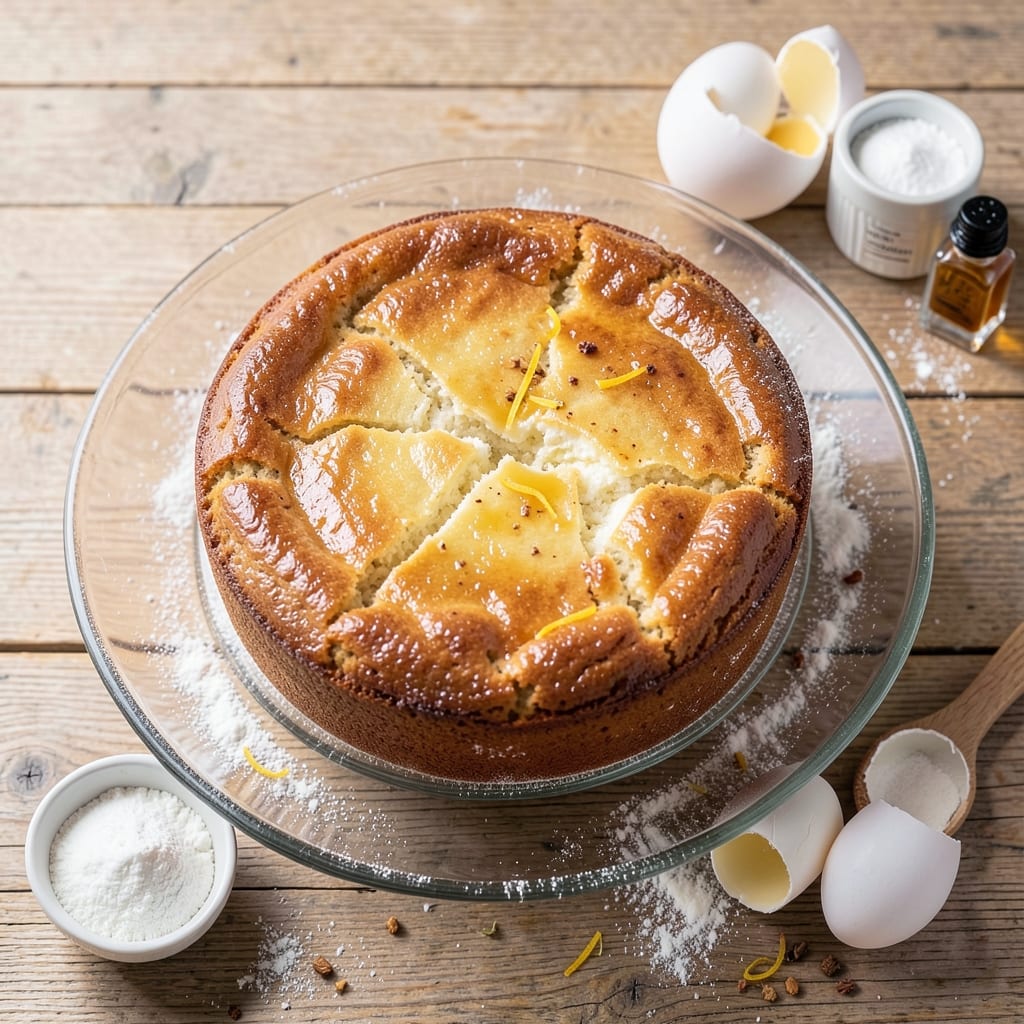
An 8-egg cake delivers that signature towering height and tender crumb without the risk of overmixing—just like Nonna used to make. The secret lies in precise technique and ingredient ratios that balance structure and lightness, creating a cake that's both impressive and foolproof. I developed this recipe after years of testing, ensuring every layer rises evenly while staying moist for days.
What makes this recipe special is the foolproof method that eliminates common cake-making pitfalls. We'll use a cold butter creaming technique to prevent gluten development, and fold in eggs one at a time to maintain air pockets. The result? A cake with golden domed layers, delicate texture, and a subtle vanilla flavor that lets the cake itself shine. This is the kind of cake that earns second helpings without needing frosting.
Perfect for special occasions or when you want to impress without stress, this recipe delivers restaurant-quality results at home. The cake bakes in a 350°F oven for about 40-45 minutes, yielding layers that stay tender for days when stored properly. Whether you're serving it at a family gathering or treating yourself to a homemade indulgence, this cake delivers every time.
For extra flair, consider dusting with powdered sugar or adding fresh berries between layers. The beauty of this recipe is in its versatility—use it for birthdays, anniversaries, or simply because you deserve a perfect slice. Let's get baking!
Ingredients for 8 egg cake
Eight eggs and precise ratios create a towering, tender cake that bakes evenly every time.
| Ingredient | Amount | Notes |
|---|---|---|
| Unsalted Butter 🧈 | 1 cup | Cold, cubed for proper creaming |
| Granulated Sugar 🍚 | 2 ½ cups | Superfine preferred for even texture |
| Large Eggs 🥚 | 8 whole | Room temperature for proper incorporation |
| All-Purpose Flour 🌾 | 2 ½ cups | Sifted, spooned for accurate measurement |
| Pure Vanilla Extract 🍯 | 2 tsp | High-quality, Madagascar bourbon preferred |
| Baking Powder 🧂 | 1 ½ tsp | Double-acting for proper rise |
| Salt 🧂 | ½ tsp | Fine sea salt for balanced flavor |
| Whole Milk 🥛 | 1 cup | Room temperature for smooth batter |
| Cake Flour 🌾 | ½ cup | Optional, enhances tenderness |
| Cornstarch 🌾 | 1 tbsp | Prevents gumminess in final texture |
| Vegetable Oil 🫒 | ¼ cup | Lightens texture without butter flavor |
| Powdered Sugar 🍚 | ½ cup | For dusting finished layers |
| Fresh Blueberries 🫐 | 1 cup | Optional, for filling between layers |
The butter must be cold—this prevents gluten development and ensures that signature golden dome without overmixing. Plugrá or Land O'Lakes unsalted butter works best, but any high-fat, high-quality brand will do. Measure the sugar precisely—superfine sugar dissolves more evenly, but regular granulated works if sifted first. The eggs are the secret to height, so use room-temperature eggs to incorporate air more easily. For the flour, King Arthur or Bob's Red Mill all-purpose flour is ideal, but sift it thoroughly to avoid dense layers. The vanilla extract should be pure, not imitation—Madagascar bourbon vanilla adds depth without overpowering.
No vanilla extract? Vanilla bean paste works beautifully, or a teaspoon of vanilla sugar in place of the extract. Running short on baking powder? Use 1.5 teaspoons of baking soda plus 1.5 teaspoons of cream of tartar as a substitute. The cake flour is optional but recommended for a more delicate crumb—substitute with 0.5 cup all-purpose flour minus 1 tablespoon if needed. For the berries, fresh blueberries are ideal, but frozen works in a pinch—just toss them in a bit of flour to prevent sinking. The powdered sugar should be sifted before dusting to avoid clumps, and the vegetable oil can be swapped for melted butter if preferred, though it may yield a slightly denser texture.
This cake stays moist for 3-4 days when stored in an airtight container at room temperature, or up to 5 days in the refrigerator. For longer storage, freeze the layers between parchment paper for up to 3 months—thaw at room temperature before assembling. The batter can be prepared ahead of time and refrigerated for up to 24 hours, though it's best baked immediately for optimal texture. If making ahead, freeze the baked layers before assembling with filling and frosting to preserve freshness.
Why You'll Love This Recipe
- No Mixer Needed: I swear by this recipe because it’s literally a 10-minute mix with a whisk. The eggs and butter come together like a dream—no stand mixer, no overmixing, just fold until the flour disappears. Honestly, my lazy Sundays thank me every time.
- Vanilla Buttercream Magic: That vanilla extract isn’t just flavoring—it’s the star. The cake has this subtle, warm sweetness that pairs perfectly with the buttery richness, and the crumb? So tender it melts in your mouth. (Yes, even on a Tuesday night.)
- Leftovers That Last: This cake keeps beautifully for days, whether you slice it for breakfast or pack it for lunches. The texture stays moist, and the flavor only gets better as it sits—no sad, dry slices here.
- Budget-Friendly Luxury: Eight eggs might sound fancy, but they stretch the batter into a generous loaf that feeds a crowd without breaking the bank. Plus, the ingredients? Basic pantry staples. My secret weapon for impressing guests without stressing.
Step-by-step instructions for fluffy 8-Egg cake
Avoid dense, overworked cake by following this precise method for light, airy layers.
Cream Butter and Sugar to Ribbon Stage
In a stand mixer fitted with the paddle attachment, beat the 1 cup unsalted butter and 2.5 cups granulated sugar on medium speed for 5-6 minutes. The mixture should become pale, thick, and nearly double in volume—this is called the "ribbon stage." You'll see the butter ribbon pull away from the bowl when you lift the paddle.
This extended creaming incorporates maximum air, which is critical for a light, fluffy texture. I press the paddle against the mixture occasionally to check for proper emulsification. If the butter isn't fully incorporated after 5 minutes, continue beating until it is—this prevents dense cake layers.
Add Eggs Gradually for Maximum Air Incorporation
Add the 8 whole large eggs, one at a time, mixing on low speed after each addition until fully incorporated. This gradual approach prevents breaking the air bubbles created in the creaming step. After all eggs are added, mix for another 1-2 minutes until the batter is thick and smooth.
I like to use room temperature eggs for this recipe—they blend more easily and create a smoother batter. If your eggs are cold, let them sit at room temperature for 30 minutes before using. The batter should now be thick enough to hold soft peaks when you lift the paddle.
Combine Dry Ingredients and Alternate with Milk
In a separate bowl, whisk together the 2.5 cups all-purpose flour, 0.5 cup cake flour, 1.5 tsp baking powder, 0.5 tsp salt, and 1 tbsp cornstarch. Sift the dry ingredients directly into the wet mixture to prevent lumps. With the mixer on low speed, add 1 cup whole milk in three equal parts, mixing just until combined after each addition.
This alternating method ensures even distribution of ingredients without overmixing. I use a silicone spatula to gently fold in the 2 tsp pure vanilla extract after all dry ingredients are incorporated. The batter should be smooth and slightly thick—if it's too thin, you may need to add an additional 1-2 tablespoons of flour.
Fold in Blueberries and Prepare Pans
Gently fold the 1 cup fresh blueberries into the batter using a spatula, being careful not to deflate the air bubbles. Lightly grease and flour two 9-inch round cake pans or line them with parchment paper. Divide the batter evenly between the pans, filling each 2/3 full—this prevents overflow during baking.
I tap the pans gently on the counter to remove any air pockets before placing them in the preheated oven. The batter should be level with the top of the pans. For a layered effect, you can divide the batter into three portions and bake in stages, adding blueberries between layers.
Bake at Precise Temperature for Even Rise
Preheat your oven to 350°F and bake the cakes for 25-30 minutes, or until a toothpick inserted into the center comes out clean. The cakes should spring back when gently pressed in the center and have a golden brown top.
I check for doneness at the 25-minute mark—overbaking can lead to dryness. Once done, remove the cakes from the oven and let them cool in the pans for 10 minutes before transferring to a wire rack. For a professional finish, dust the cooled layers with 0.5 cup powdered sugar before assembling.
Pro Tips For Making 8 Egg Cake
- Whisk Eggs Like Mad: Use a stand mixer on medium-high for 2-3 minutes until the yolks and whites are pale, thick, and almost ribbon-like—this isn’t meringue, but you want them fluffy enough to hold air. I learned this the hard way when my cake turned dense; rushing this step is the fastest way to ruin it.
- Weigh Your Butter: Unsalted butter varies in density—measure by weight (225g for this recipe) instead of volume. Packed cups lie. My grandmother swore by this, and she was right: accurate butter = consistent rise.
- Skip the Overmixing: Once you fold in the flour, stop when just combined—lumps are fine. Overmixing develops gluten, and your cake will turn tough. I know, I know, but trust the process: a few small lumps disappear during baking.
- Rotate the Pan: Swap the cake pan’s position in the oven halfway through baking (front to back, top to bottom). This evens out heat and prevents one side from drying out. Does it look weird? Yes. Does it work? Every single time.
Creative variations of this 8 egg cake
Classic Vanilla Twist
This recipe already delivers a sublime vanilla flavor, but you can elevate it further by infusing the milk with a 1-inch vanilla bean while warming it to 160°F—just enough to soften the bean without cooking. Strain before using to avoid lumps. For an extra touch, add 1 teaspoon of vanilla sugar (vanilla bean seeds mixed with sugar) to the dry ingredients. This method brings out the natural sweetness of the vanilla without overpowering the cake's delicate crumb. 🍯
Chocolate Layer Surprise
For a decadent variation, divide the batter between two pans and add ½ cup cocoa powder to one portion, replacing ½ cup of the flour. Bake both layers separately, then sandwich them with a chocolate ganache made from ½ cup heavy cream and 4 ounces dark chocolate. This twist keeps the cake's signature lightness while adding rich chocolate flavor. I like to dust the top with powdered sugar and add fresh raspberries for contrast.
Citrus Zest Brightness
Add a zesty twist by mixing 1 tablespoon of lemon zest and 1 tablespoon of orange zest into the dry ingredients. The citrus oils brighten the flavor and add a subtle tang that cuts through the richness. For a more pronounced effect, add 1 teaspoon of citrus extract (like lemon or orange) to the wet ingredients. This variation works especially well with a light cream cheese frosting—just be sure to use fresh, high-quality zest for the best flavor. 🍊
Spiced Chai Version
Transform this cake into a cozy chai-inspired treat by adding 1 teaspoon of ground cinnamon, ½ teaspoon of ground cardamom, ½ teaspoon of ground ginger, and ¼ teaspoon of ground cloves to the dry ingredients. For extra warmth, steep 1 chai tea bag in the milk before using it in the batter. Top with a dusting of powdered sugar and a sprinkle of toasted slivered almonds for texture. This spiced variation is perfect for fall gatherings or holiday celebrations.
Coffee Lover's Edge
For a mocha-inspired twist, dissolve 2 tablespoons of instant espresso powder in the milk before adding it to the batter. The coffee enhances the vanilla flavor and adds a subtle bitterness that balances the sweetness. To take it further, add ½ cup of dark chocolate chunks to the batter or use them as a filling between layers. A dusting of powdered sugar and a few coffee beans on top completes this sophisticated variation. This cake is a crowd-pleaser for coffee enthusiasts and dessert lovers alike. ☕
Seasonal Berry Swaps
While blueberries work beautifully, this cake is versatile enough to accommodate other seasonal fruits. Try raspberries, blackberries, or strawberries—just toss them in a bit of flour before folding them into the batter to prevent sinking. For a tropical twist, use diced mango or pineapple—their natural juices add moisture and a bright contrast to the cake's richness. In winter, consider cranberries or pomegranate seeds for a festive touch. Adjust the amount of fruit to 1 cup total to maintain the cake's structure.
Nutrition facts
Frequently asked questions
Why does this recipe use 8 eggs instead of the usual 3-4?
The extra eggs create a lighter, more tender crumb while providing the structural support needed for that signature golden dome. Each egg adds protein and fat that stabilizes the air pockets created during creaming, resulting in a cake that's both airy and sturdy. This ratio is perfect for layer cakes that need to hold their shape when stacked.
Can I make this cake without a stand mixer?
Use a hand mixer or even a whisk for the creaming step—just work in 2-minute intervals to avoid overheating the butter. For the eggs, add them one at a time and mix vigorously by hand. The key is patience: cream the butter and sugar for at least 8-10 minutes by hand to achieve the ribbon stage. A sturdy bowl and strong arm work wonders!
What if my cake sinks in the middle after baking?
This usually happens from overmixing or opening the oven too soon. First, check your oven temperature with an oven thermometer—it should read 350°F. Second, avoid opening the oven door during the first 20 minutes of baking. If it does sink slightly, don't worry! The cake will still be delicious. For next time, try baking at 325°F for 50 minutes to encourage slower, more even rising.
How do I store leftover cake layers?
Wrap each layer tightly in plastic wrap, then place them in an airtight container at room temperature for up to 3 days. For longer storage, freeze the layers (wrapped individually) for up to 3 months. Thaw overnight in the fridge before assembling. The cake freezes beautifully—just avoid freezing if you plan to add fresh fruit fillings until after thawing.
Can I substitute cake flour with all-purpose flour?
Yes! Replace the 0.5 cup cake flour with 0.5 cup all-purpose flour minus 1 tablespoon (so 0.4 cup total). Cake flour has a lower protein content, which makes the texture more tender. The substitution works well, though the cake will be slightly denser. For best results, sift the flour thoroughly to prevent lumps in the batter.